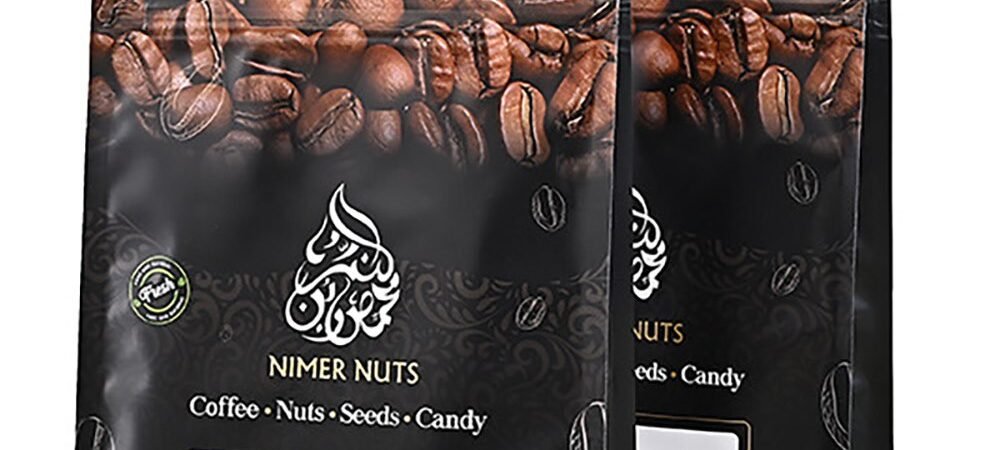
Choosing the right coffee bag size is one of the first decisions roasters, importers, and private label coffee brands need to make before requesting a packaging quote. The bag size affects shelf presentation, filling efficiency, shipping cost, material structure, valve placement, carton packing, and how fresh the coffee stays after packing.
MASUPACK supplies custom coffee bags for wholesale buyers, including flat bottom coffee bags, stand up pouches, side gusset bags, kraft paper coffee bags, foil laminate bags, and custom printed coffee packaging for roasted coffee, ground coffee, sample packs, and private label programs.
Quick Coffee Bag Size Reference
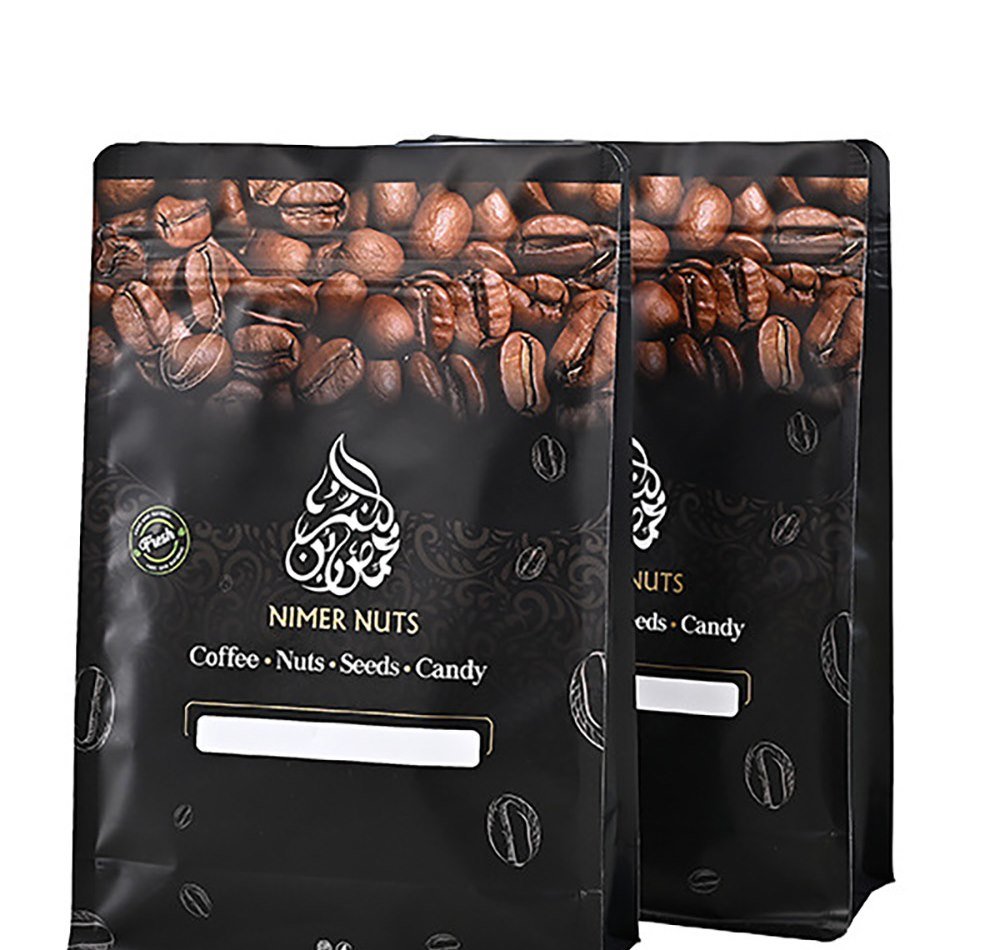
The table below gives a practical starting point for common coffee bag sizes. Final dimensions should be confirmed with samples because coffee bean density changes by roast level, origin, grinding, and filling method.
| Pack size | Common use | Typical buyer | Packaging notes |
|---|---|---|---|
| 2 oz / 56 g | Samples, tasting kits, promotional packs | Roasters, subscription brands, distributors | Often used with digital printing or labels for small batches |
| 4 oz / 113 g | Trial packs, gift packs, limited releases | Specialty coffee brands and cafes | Good for launch testing and seasonal SKUs |
| 8 oz / 227 g | Specialty retail coffee and subscription packs | Roasters and private label brands | Works well with flat bottom bags or stand up pouches |
| 12 oz / 340 g | Common US retail coffee size | US-focused coffee brands and wholesalers | Strong balance between shelf presence and shipping weight |
| 1 lb / 454 g | Retail and wholesale coffee packs | Roasters, distributors, food service buyers | Often needs a strong barrier film and reliable zipper |
| 2 lb / 907 g | Bulk retail, food service, cafe supply | Distributors and wholesale buyers | Carton packing and bag strength become more important |
| 5 lb / 2.27 kg | Wholesale, cafes, restaurants, and bulk supply | Importers, distributors, commercial buyers | Usually requires stronger laminate and export-ready carton packing |
Flat Bottom, Stand Up, or Side Gusset Coffee Bags
Bag style should match the sales channel. A premium specialty coffee brand may care most about shelf appearance and printable panels. A distributor may care more about packing efficiency, repeat order stability, and landed cost. The best option depends on how the coffee will be filled, displayed, shipped, and opened by the final customer.
| Bag style | Best for | Main advantages | Things to confirm |
|---|---|---|---|
| Flat bottom coffee bags | Retail shelves, specialty coffee, premium brands | Stable standing shape, five printable panels, strong shelf presence | Size, bottom width, zipper type, valve position, carton packing |
| Stand up pouches | Samples, private label coffee, flexible retail packs | Cost-effective, easy to customize, good for many sizes | Gusset depth, zipper quality, filling opening, hang hole requirement |
| Side gusset bags | Traditional coffee packaging and larger pack sizes | Efficient packing, familiar coffee format, suitable for higher volume | Sealing method, tin tie option, valve location, carton count |
Material Options for Coffee Bags
Coffee packaging material is not only about appearance. It also affects oxygen barrier, moisture barrier, aroma retention, puncture resistance, printing effect, and shelf-life planning. Buyers should confirm whether the product is whole bean coffee, ground coffee, fresh roasted coffee, or pre-packed coffee for export storage.
| Material style | Why buyers choose it | Best use | Notes |
|---|---|---|---|
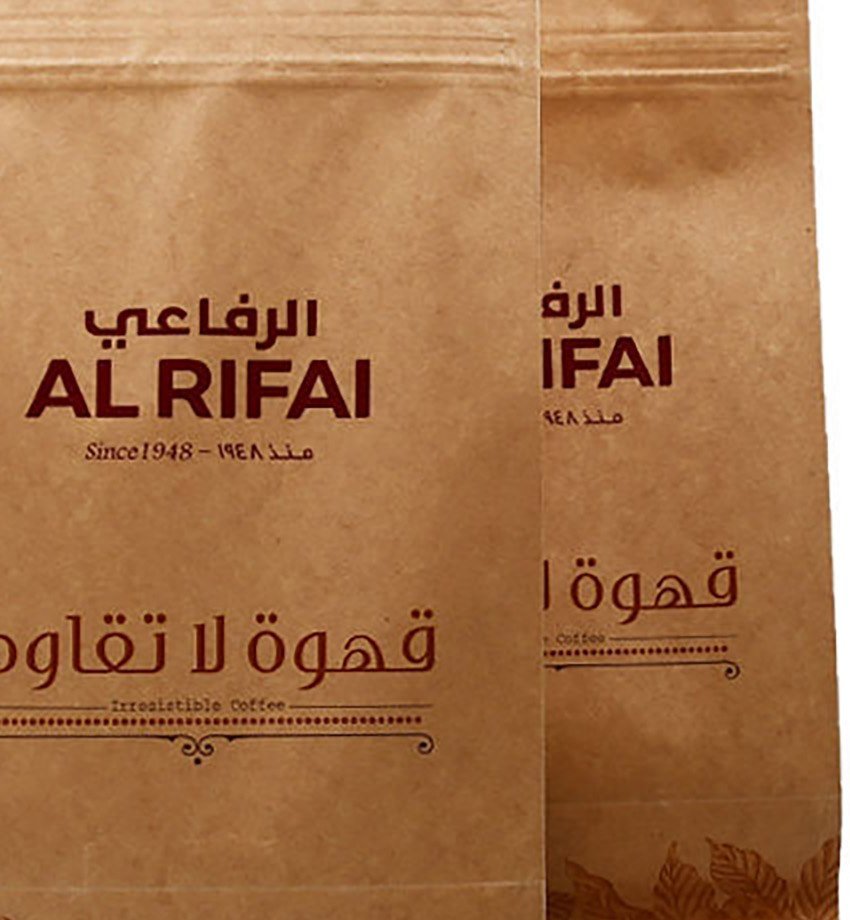
| Kraft paper laminate | Natural, simple, private label appearance | Organic-style coffee, small brands, retail shelves | Usually needs an inner barrier film for freshness |
| Foil laminate | Strong oxygen, moisture, and aroma barrier | Roasted coffee, ground coffee, export supply | Good for buyers who prioritize shelf life and protection |
| Matte film laminate | Clean premium look with full-color printing | Specialty coffee and branded retail packaging | Works well with spot design, simple typography, and strong branding |
| Recyclable or simplified structures | Supports sustainability positioning | Brands with environmental requirements | Barrier performance and local recycling rules should be checked carefully |
Coffee Bag Features to Confirm
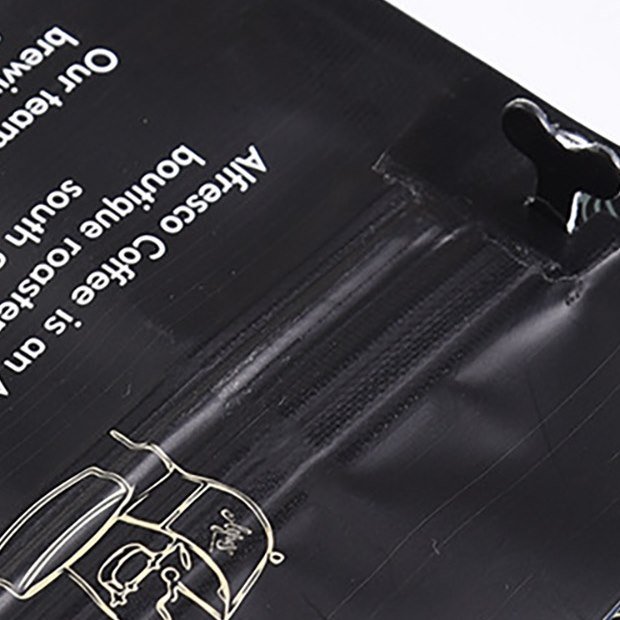
- One-way degassing valve: useful for fresh roasted coffee because roasted beans release gas after packing.
- Resealable zipper: improves customer convenience after opening and is common for retail coffee bags.
- Tin tie: gives a traditional coffee bag appearance and can be useful for certain side gusset formats.
- Clear window: helps customers see the coffee beans, but buyers should confirm how the window affects barrier performance and shelf life.
- Tear notch: makes the bag easier to open and should be placed correctly with the zipper and seal area.
- Hang hole: useful for some retail displays, especially smaller packs and sample bags.
What Buyers Should Prepare Before Requesting a Quote
A clear quote request saves time and reduces back-and-forth. Before contacting a coffee bag manufacturer, prepare the following details:
- Bag style: flat bottom, stand up pouch, side gusset bag, or printed roll film
- Coffee weight: 2 oz, 4 oz, 8 oz, 12 oz, 1 lb, 2 lb, 5 lb, or custom size
- Material preference: kraft paper, foil laminate, matte film, recyclable structure, or custom laminate
- Printing method: digital printing, gravure printing, or plain bags with labels
- Functional options: zipper, one-way valve, tin tie, window, tear notch, hang hole
- Estimated quantity: first order quantity and expected repeat order volume
- Sales channel: retail, wholesale, Amazon, cafes, supermarkets, or distributors
- Shipping requirement: export carton packing, pallet packing, or freight forwarder delivery
MOQ, Samples, and Lead Time
MOQ depends on the bag style, material, printing method, and size. Digital printing is often suitable for smaller batches and multiple designs. Gravure printing is usually more suitable for larger orders and repeat production, especially when the buyer needs consistent color control and lower unit cost at scale.
Samples are useful before mass production because they help buyers confirm size, material feel, valve position, zipper performance, filling opening, and shelf presentation. For a new private label coffee brand, sample checking is often the simplest way to avoid ordering a bag that looks good on screen but does not fit the real product properly.
Lead time should be discussed in two parts: sample lead time and mass production lead time. Artwork approval, material selection, printing, lamination, curing, bag making, inspection, and export packing can all affect the final schedule.
How US Buyers Should Choose Coffee Bag Size
For US retail coffee, 12 oz and 1 lb bags are common starting points. Specialty coffee brands may also use 8 oz bags for premium products or subscription programs. Sample packs are useful for tasting kits, influencer campaigns, cafes, and trade show buyers.
If you are preparing a first order, choose one or two main sizes instead of too many SKUs. This makes artwork control, sampling, carton packing, and inventory planning easier. Once repeat demand is clear, it is easier to expand into additional sizes, seasonal designs, and private label versions.
Related Coffee Packaging Pages
- For custom printed coffee bags, visit Custom Coffee Bags.
- For retail pouch formats, visit Stand Up Pouches.
- For automated packing lines, visit Printed Film Rolls.
- To prepare a quote request, contact MASUPACK.
FAQ About Coffee Bag Sizes
What is the most common coffee bag size in the US?
12 oz and 1 lb coffee bags are common for US retail coffee. Specialty coffee brands also use 8 oz bags, sample packs, and custom sizes depending on their product line.
Which coffee bag style is best for retail shelves?
Flat bottom coffee bags are often preferred for retail shelves because they stand well and provide a premium appearance. Stand up pouches are also widely used when buyers need flexible sizing and a practical retail format.
Do coffee bags need a valve?
Fresh roasted coffee usually benefits from a one-way degassing valve because roasted beans release gas after roasting. The valve helps release gas while limiting oxygen entry.
Can MASUPACK make custom printed coffee bags for wholesale buyers?
Yes. MASUPACK supplies custom coffee bags for roasters, private label brands, importers, distributors, and packaging wholesalers, including material selection, sizing, printing, valve, zipper, and export packing support.
Ready to Check Coffee Bag Sizes?
If you are comparing coffee bag sizes for a new order, send MASUPACK your target fill weight, bag style, material preference, artwork status, and estimated quantity. Our team can help check whether the size, valve, zipper, and packing method are practical before mass production.